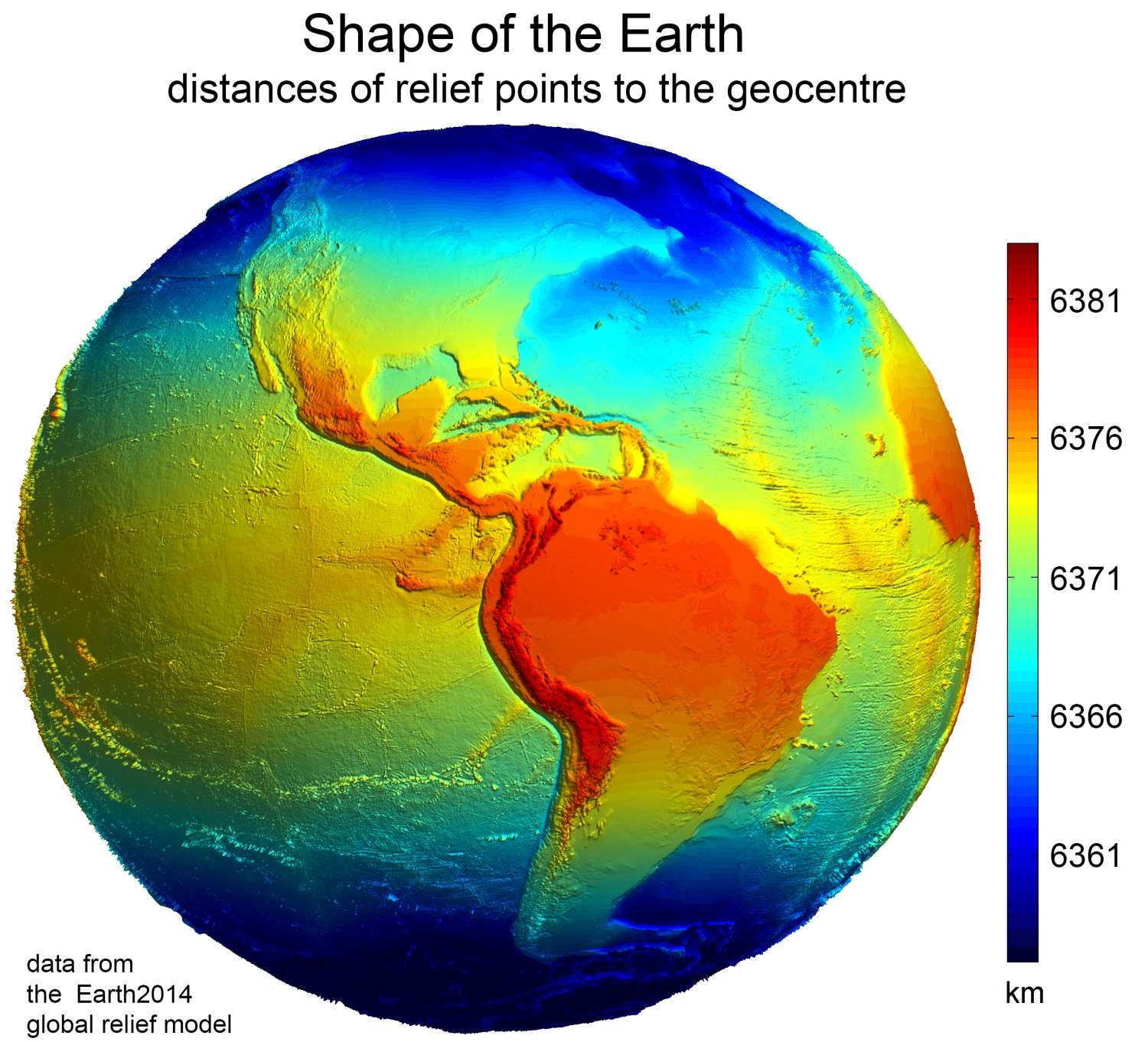
Earth—our home planet—is the only place we know of so far that’s inhabited by living things. It's also the only planet in our solar system with liquid water on the surface.
| Distance of SUN(million km) | Distance of Moon(km) |
|---|---|
| 149.6 | 384,400 |
Our home planet is the third planet from the Sun, and the only place we know of so far that’s inhabited by living things. While Earth is only the fifth largest planet in the solar system, it is the only world in our solar system with liquid water on the surface. Just slightly larger than nearby Venus, Earth is the biggest of the four planets closest to the Sun, all of which are made of rock and metal. read more.

Africa, the Americas, Antarctica, Asia, Australia, together with Oceania, and Europe are considered to be
continents.
The word continent is used to differentiate between various large land areas of Earth into which all the land
surface of the planet is divided. The term refers to the 'mountain top' regions of the Earth not flooded by
water, dry land.
The level of the surrounding water ultimately defines the shape and borders of continents. More water implies less
land and different outlines. Even more water, like that stored away as ice in the poles and glaciers, and you might
live on a water planet, no continents
read more.

The Earth’s surface is made up of more than 70 per cent water, which is vital to all organisms on the planet.
The world’s biggest water bodies, the oceans, are a mark of international pride and are sometimes also called
Earth’s lifelines, since they provide sea-lanes for international trade, apart from providing products like seafood
as well as marine life itself for aquariums, pets
read more.